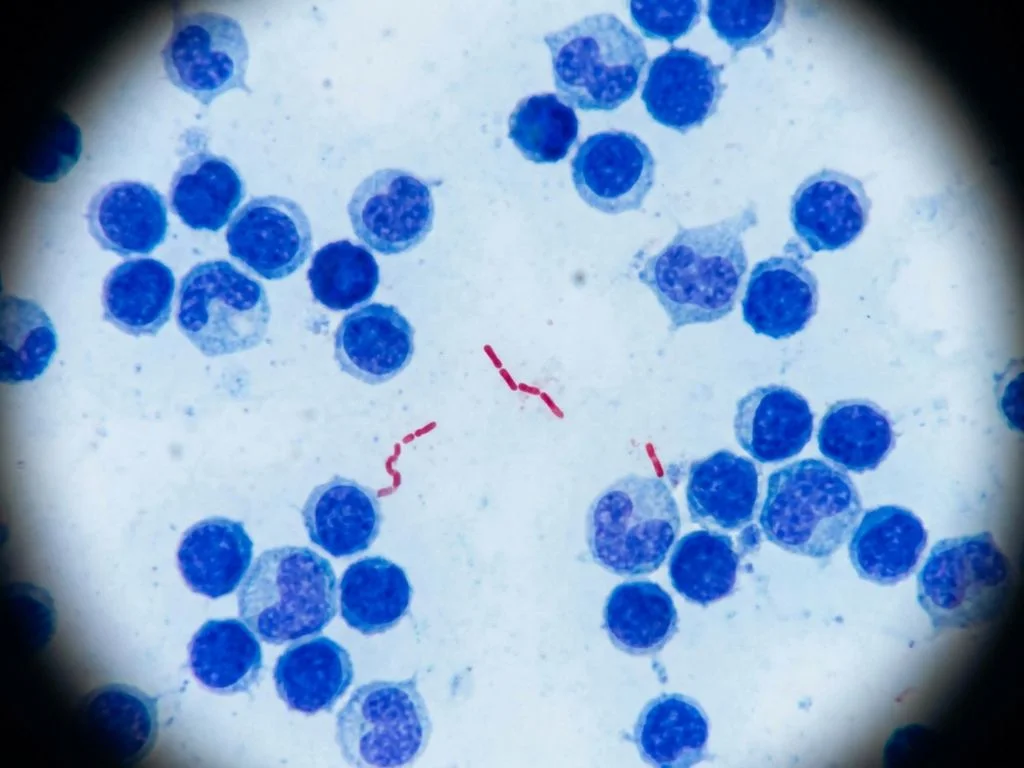
Correct Answer: D. Tuberculous meningitis
Tuberculous meningitis (TBM) is the classic diagnosis when CSF shows the triad of mononuclear cytosis, elevated proteins (often >100 mg/dL), and hypoglycorrhachia (CSF glucose <40 mg/dL with CSF:blood glucose ratio <0.4). This pattern reflects the granulomatous inflammation and vascular involvement characteristic of TB. The mononuclear predominance (lymphocytes) develops over 24–48 hours as the infection progresses, distinguishing it from acute bacterial meningitis. In India, where TB prevalence is high, TBM remains a leading cause of meningitis in both immunocompetent and immunocompromised patients. The combination of low CSF glucose with elevated protein is pathognomonic for TBM because TB bacilli damage the blood–brain barrier and impair glucose transport into the CSF. AFB smear positivity (though low sensitivity ~10–20%) and CSF culture (gold standard but slow) confirm diagnosis. Early recognition is critical because delayed treatment leads to severe neurological sequelae (hydrocephalus, vasculitis, spinal cord involvement). The CSF picture—mononuclear, high protein, low sugar—is the discriminating feature that points to TBM over other meningitides.
Why the other options are wrong
A. Aseptic meningitis — Aseptic meningitis (viral or non-bacterial) typically shows mononuclear cytosis with normal or mildly elevated protein (50–100 mg/dL) and normal CSF glucose (>40 mg/dL with normal CSF:blood ratio). The low sugar is the key discriminator—aseptic meningitis does not cause hypoglycorrhachia. This is the NBE trap: students may see 'mononuclear' and choose aseptic meningitis, forgetting that low glucose rules it out. B. Chemical meningitis — Chemical meningitis (post-procedure, drug-induced, or from ruptured dermoid/epidermoid cysts) shows pleocytosis that is often polymorphonuclear early, then mononuclear, but with normal or mildly elevated glucose and protein. Critically, hypoglycorrhachia is absent—glucose remains normal because there is no metabolic consumption or vascular damage. The combination of low glucose + high protein excludes chemical meningitis. C. Bacterial meningitis — Acute bacterial meningitis (meningococcal, pneumococcal) classically presents with polymorphonuclear predominance (neutrophils >80%), very high protein (>200 mg/dL), and low glucose. The mononuclear cytosis is the discriminator—bacterial meningitis shows PMN predominance acutely, whereas TBM shows lymphocytic predominance. By the time bacteria are cleared, CSF normalizes; TBM's mononuclear pattern persists throughout.
High-Yield Facts
- TBM CSF triad: mononuclear cytosis (lymphocytes >50%), protein >100 mg/dL, glucose <40 mg/dL with CSF:blood ratio <0.4.
- AFB smear sensitivity ~10–20% in TBM; culture is gold standard but takes 2–8 weeks; GeneXpert MTB/RIF is now recommended first-line in India (NTEP guidelines).
- Acute bacterial meningitis shows PMN predominance (>80%), protein >200 mg/dL, glucose <40 mg/dL—mononuclear shift occurs only after 24–48 hours or with treatment.
- Aseptic meningitis (viral) has normal CSF glucose; chemical meningitis has normal glucose—hypoglycorrhachia is pathognomonic for TBM or rarely fungal meningitis.
- India TB burden: TBM accounts for 5–10% of all TB cases and is the leading cause of meningitis in high-TB-prevalence settings; early anti-TB therapy (HRZE) + adjunctive corticosteroids reduce mortality.
Mnemonics
CSF Glucose Rule in Meningitis LOW glucose → TB or Fungal. NORMAL glucose → Viral or Chemical. VERY LOW protein + PMN → Acute Bacterial. TBM vs Bacterial Meningitis (Quick Discriminator) TB = Lymphocytes + High Protein + Low Glucose (chronic picture). Bacteria = PMN + Very High Protein + Low Glucose (acute picture). Mononuclear shift is the key.
NBE Trap
NBE pairs "mononuclear cytosis" with aseptic meningitis to trap students who forget that aseptic meningitis has normal glucose. The low sugar is the discriminating feature that must not be overlooked.
Clinical Pearl
In India, any patient presenting with subacute meningitis (fever + headache over days to weeks), mononuclear CSF, and low glucose should be treated empirically for TBM while awaiting GeneXpert/culture, because delayed diagnosis leads to permanent neurological disability (hydrocephalus, paraplegia). Early corticosteroids (dexamethasone) alongside anti-TB therapy improve outcomes significantly.
_Reference: Harrison Ch. 381 (Meningitis); Robbins Ch. 8 (CNS Infections); Park's Textbook of Preventive and Social Medicine (TB epidemiology in India)_