NEETPGAI
FeaturesBlogComparePricing
Log inStart Free
NEETPGAI

AI-powered NEET PG preparation platform. Master all 19 subjects with adaptive MCQs, AI tutoring, and spaced repetition.

Product

  • Features
  • Subjects
  • Previous Year Questions
  • Compare
  • Pricing
  • Blog

Features

  • Adaptive MCQ Practice
  • AI Tutor
  • Mock Tests
  • Spaced Repetition

Resources

  • Blog
  • Study Guides
  • NEET PG Updates
  • Contact & support

Legal

  • Privacy Policy
  • Terms of Service

Stay updated

© 2026 NEETPGAI. All rights reserved.
    PYQs/2022/Q144
    Verified answer (AI cross-checked + SME reviewed)

    Q144 (2022, Pediatric Nephrology) — Correct answer: D. b.Omphalocele.

    NEET PG 2022
    Q144
    smile Pediatrics
    Pediatric Nephrology
    tier-3 (2/3 verifier agreement)
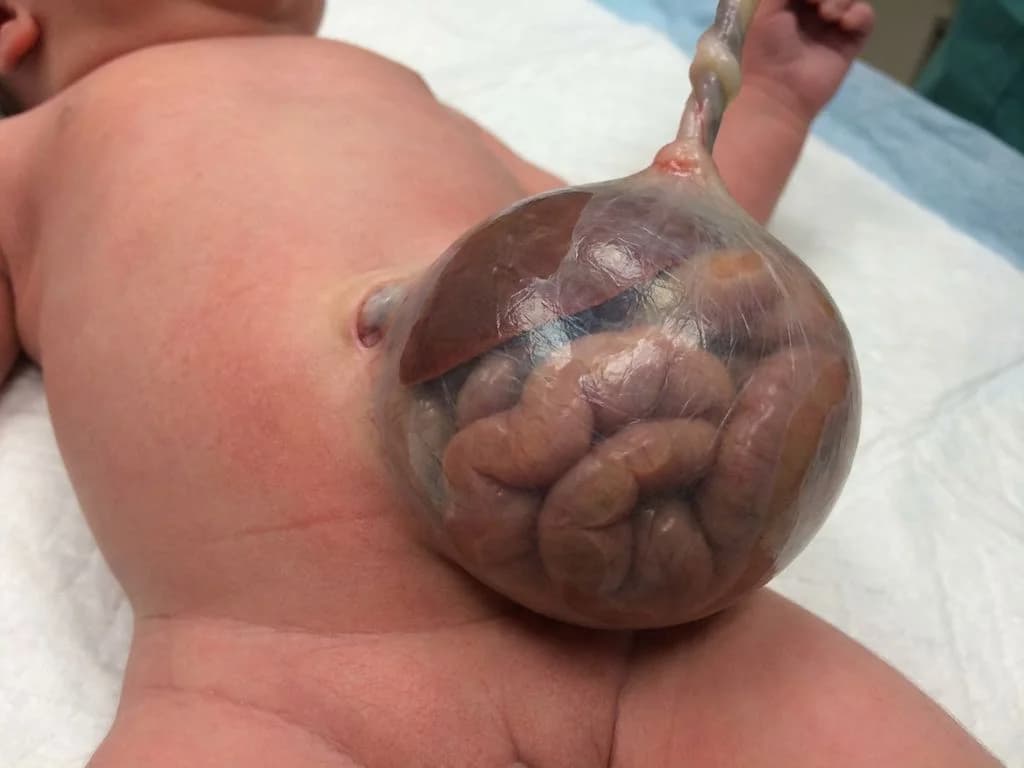
    Clinical image for NEET PG 2022 Q144

    Identify the condition: [image]

    A. c.Persistent vitellointestinal duct
    B. Gastroschisis
    C. Bladder exstrophy
    D. b.Omphalocele

    Correct Answer: C. Bladder exstrophy

    Bladder exstrophy is a rare congenital anomaly where the bladder mucosa is exposed on the anterior abdominal wall due to failure of the lower abdominal wall and bladder to close during embryogenesis (weeks 4–7). The key discriminating features are: (1) exposed bladder mucosa (red, glistening tissue) on the lower abdomen between the umbilicus and pubic symphysis, (2) epispadias (urethral opening on the dorsal surface of the penis), (3) wide pubic diastasis (separation of pubic bones), and (4) urine dripping continuously from the exposed ureteral orifices. The image shows the characteristic appearance of everted bladder mucosa with visible ureteral orifices. Incidence in India is approximately 1 in 30,000–50,000 live births. Management involves staged surgical reconstruction (primary closure of bladder and abdominal wall, followed by epispadias repair and continence procedures). The condition is part of the exstrophy-epispadias complex, which also includes cloacal exstrophy (more severe). Associated anomalies include skeletal defects, cryptorchidism, and anorectal malformations. Early recognition and referral to pediatric urology is critical for optimal functional and cosmetic outcomes.

    Why the other options are wrong

    A. Persistent vitellointestinal duct — This is wrong because a persistent vitellointestinal duct (Meckel's diverticulum) presents as a patent remnant of the omphalomesenteric duct, typically located 2 feet from the ileocecal valve. It causes bleeding (tarry stools), obstruction, or diverticulitis—not an exposed bladder on the abdominal wall. The image shows bladder mucosa, not intestinal tissue. NBE may trap students who confuse any umbilical/lower abdominal anomaly with vitellointestinal remnants. B. Gastroschisis — This is wrong because gastroschisis is a defect in the lateral abdominal wall (usually right of the umbilicus) through which bowel herniates without a covering membrane. The exposed tissue is intestine, not bladder mucosa. Gastroschisis lacks the characteristic wide pubic diastasis and epispadias seen in bladder exstrophy. NBE may pair these two 'exposed viscera' conditions to confuse students unfamiliar with the anatomical location and tissue type. D. Omphalocele — This is wrong because omphalocele is a midline defect at the umbilicus covered by a sac (peritoneum and amnion), containing bowel and sometimes liver. Bladder exstrophy is uncovered bladder mucosa below the umbilicus with pubic diastasis and epispadias. Omphalocele typically presents with a bulging sac at the umbilicus, not exposed bladder tissue. The absence of a covering membrane and the lower abdominal location are key differentiators.

    High-Yield Facts

    • Bladder exstrophy = exposed bladder mucosa on lower abdomen + epispadias + pubic diastasis; incidence ~1 in 30,000–50,000 in India.
    • Embryological defect occurs at weeks 4–7 when mesodermal ingrowth fails to close the lower abdominal wall and bladder.
    • Classic triad: everted bladder, epispadias (dorsal urethral opening), wide pubic separation.
    • Management = staged surgical repair: primary bladder closure + abdominal wall closure (neonatal period), followed by epispadias repair and continence procedures.
    • Associated anomalies: cryptorchidism, anorectal malformations, skeletal defects (pubic diastasis, hip dysplasia).
    • Continuous urine leakage from exposed ureteral orifices is pathognomonic; risk of UTI and renal damage if untreated.

    Mnemonics

    EXSTROPHY = EXposed + STROphy Exposed bladder + X-wide pubic gap + Spadias (epi-) + Tissue (mucosa, red) + Rophy (atrophic-looking) + Open + Pubic diastasis + Hernia-like + Yellow (urine dripping). Use this to recall the exposed, everted appearance with pubic separation. BLADDER EXSTROPHY vs OMPHALOCELE: COVERED vs UNCOVERED Omphalocele = Covered (sac present), Umbilical location. Exstrophy = Uncovered (no sac), Lower abdomen, Open bladder. Remember: Omphalocele has a protective sac; exstrophy is raw, exposed bladder.

    NBE Trap

    NBE may pair bladder exstrophy with gastroschisis or omphalocele to test whether students can distinguish the anatomical location (lower abdomen vs. umbilicus/lateral), tissue type (bladder mucosa vs. bowel), and presence of a covering (none vs. sac). Students who only remember "exposed viscera" without these details will fall into the trap.

    Clinical Pearl

    In Indian pediatric practice, bladder exstrophy is often diagnosed at birth by the striking appearance of red, glistening bladder mucosa on the lower abdomen. Early referral to a tertiary pediatric urology center (AIIMS, CMC Vellore, etc.) is critical—delayed repair increases infection risk and compromises renal function. Parents must be counseled that staged reconstruction offers good functional and cosmetic outcomes with modern surgical techniques.

    _Reference: OP Ghai Pediatrics Ch. 11 (Congenital Anomalies); Bailey & Love Short Practice of Surgery Ch. 79 (Pediatric Surgery)_

    Ask AI Tutor about this question

    Stuck on a distractor? Want a worked-through clinical scenario? The AI Tutor is a NEETPGAI Pro feature — sign up free to practice the full question bank, then unlock the AI Tutor when you're ready.

    Explain this concept in plain language
    Why is each wrong option wrong?
    Give me a clinical scenario where this is tested
    Sign up free Already have an account? Log in

    Free to start, no credit card required. The 3 prompts/day quota is shared with practice + tutor + deep-dive across NEETPGAI.

    Memory-based reconstruction

    NBE does not officially release NEET PG papers per the 2025 Supreme Court directive. This question was reconstructed from 1 community source: PrepLadder NEET PG 2022 Recall PDF. Cross-verified by Claude Haiku 4.5 + Gemini 2.5 Flash + community-aggregate vote, then reviewed by a practising medical SME.

    ← All NEET PG 2022 questionsPractice with AI Tutor →