Correct Answer: B. a.Antibody against digoxin
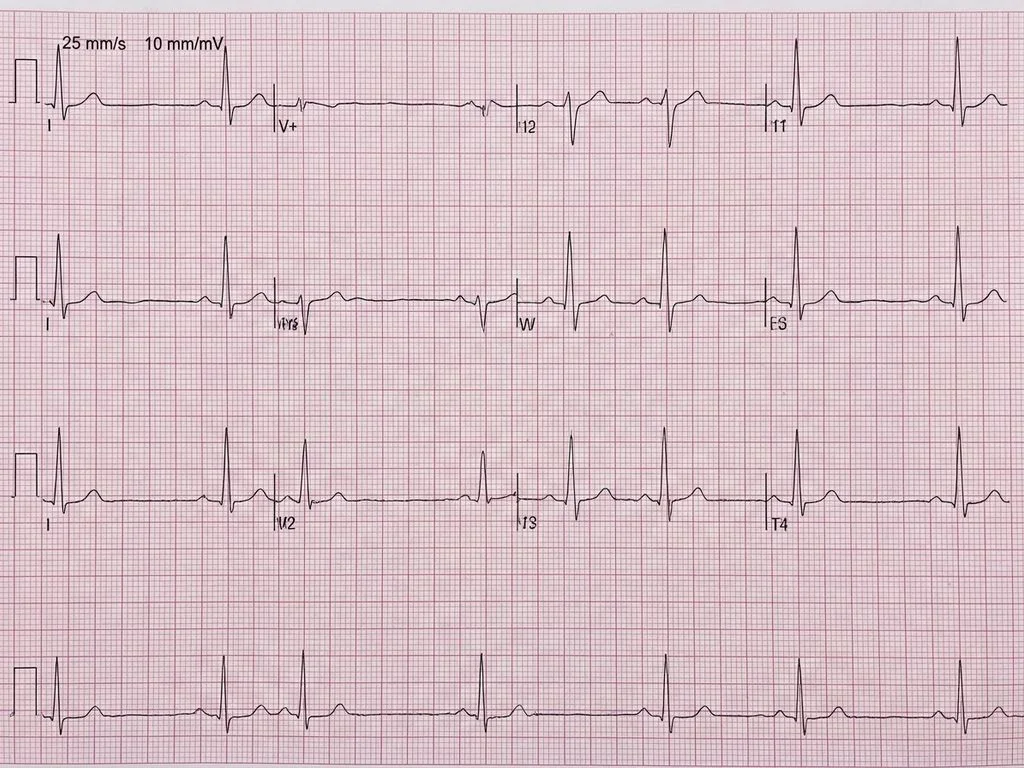
Acute digoxin toxicity presenting with symptomatic bradycardia (56 bpm) and third-degree heart block in a patient with massive overdose (8 tablets) requires specific antidote therapy. Digoxin-specific antibody fragments (Fab) are the gold-standard treatment for life-threatening digoxin toxicity. These monoclonal antibodies bind digoxin with extremely high affinity, rapidly removing it from cardiac tissue and the circulation, thereby reversing both arrhythmias and conduction abnormalities. The mechanism is particularly effective because digoxin toxicity arises from Na-K-ATPase inhibition leading to increased intracellular calcium and enhanced automaticity; antibody binding neutralizes the drug before it can exert further toxicity. In this case, the patient is hemodynamically unstable with a severe conduction defect—the classic indication for Fab therapy. The dose is calculated based on serum digoxin levels or estimated ingested amount. Fab therapy is superior to supportive care alone and is the definitive management in acute, symptomatic, life-threatening digoxin toxicity, particularly when third-degree block threatens cardiac output. This is the standard of care in Indian emergency departments and aligns with international guidelines (Harrison, KD Tripathi).
Why the other options are wrong
A. DC cardioversion — DC cardioversion is contraindicated in digoxin toxicity. Electrical therapy can precipitate ventricular fibrillation in the setting of digoxin-induced automaticity and increased myocardial irritability. Cardioversion is reserved for hemodynamically unstable ventricular arrhythmias refractory to medical therapy, not for digoxin-induced bradycardia or conduction block. The correct approach is chemical reversal with antibodies, not electrical intervention. C. Phenytoin — Phenytoin was historically used as a second-line agent for digoxin-induced arrhythmias because it suppresses ectopic activity and improves AV conduction. However, it is NOT the first-line or definitive treatment for acute digoxin toxicity. In modern practice, with availability of Fab antibodies, phenytoin is rarely used. It does not address the underlying problem—excess digoxin—and is slower acting than antibody therapy. This is an outdated option that may trap students unfamiliar with current toxicology protocols. D. Lidocaine — Lidocaine is used for digoxin-induced ventricular arrhythmias (PVCs, VT) to suppress ectopic activity, but it does NOT treat bradycardia or conduction block. In this case, the primary problem is third-degree heart block with hemodynamic instability—a conduction abnormality, not an arrhythmia requiring suppression. Lidocaine would be inappropriate and ineffective for this presentation. Antibody therapy is the definitive management.
High-Yield Facts
- Digoxin-specific Fab antibodies are the gold-standard antidote for life-threatening digoxin toxicity; they bind digoxin with extremely high affinity and rapidly reverse both arrhythmias and conduction abnormalities.
- Third-degree heart block with hemodynamic instability in digoxin toxicity is a Class I indication for Fab therapy, not electrical cardioversion or other supportive measures.
- Digoxin toxicity mechanism: Na-K-ATPase inhibition → increased intracellular Ca²⁺ → enhanced automaticity and delayed afterdepolarizations; Fab reverses this by removing the drug.
- Dose calculation: Fab dose = (serum digoxin level in ng/mL × body weight in kg) ÷ 100; or empiric dosing based on estimated ingested amount (typically 10–20 vials for massive overdose).
- Phenytoin and lidocaine are historical agents for digoxin arrhythmias but are NOT first-line; they do not remove digoxin and are slower than antibody therapy.
- DC cardioversion is contraindicated in digoxin toxicity due to risk of precipitating ventricular fibrillation in the setting of increased myocardial irritability.
Mnemonics
DIGOXIN TOXICITY MANAGEMENT (Acute, Symptomatic) FAB = Fab antibodies (first-line for life-threatening toxicity), Avoid cardioversion (contraindicated), Bradycardia/block → antibodies, not pacing alone. Use when: hemodynamic instability, severe arrhythmias, conduction block, or serum level >10 ng/mL. DIGOXIN TOXICITY ARRHYTHMIA LADDER PAC (premature atrial contractions) → PVC (premature ventricular contractions) → VT/VF (ventricular tachycardia/fibrillation) → Bradycardia/Block. Mild: K⁺ correction, Mg²⁺, antiarrhythmics. Severe/Block: Fab antibodies.
NBE Trap
NBE may pair digoxin toxicity with "bradycardia" to lure students toward pacing or cardioversion (mechanical solutions), when the correct answer is chemical reversal with antibodies. The trap is confusing symptomatic bradycardia/block as a rhythm requiring electrical intervention rather than drug removal.
Clinical Pearl
In Indian emergency departments, digoxin toxicity from accidental or intentional overdose is not uncommon, especially in elderly patients on chronic therapy. Fab antibodies (available as DigiBind or DigiFab in major tertiary centers) are life-saving in symptomatic cases; however, availability may be limited in smaller hospitals, making early transfer to a toxicology center critical. Recognition of the triad—arrhythmia, conduction block, and hyperkalemia—should immediately trigger consideration of Fab therapy.
_Reference: KD Tripathi Pharmacology Ch. 24 (Cardiac Glycosides); Harrison Principles of Internal Medicine Ch. 295 (Poisoning & Drug Overdose)_