Correct Answer: C. a.Epinephrine
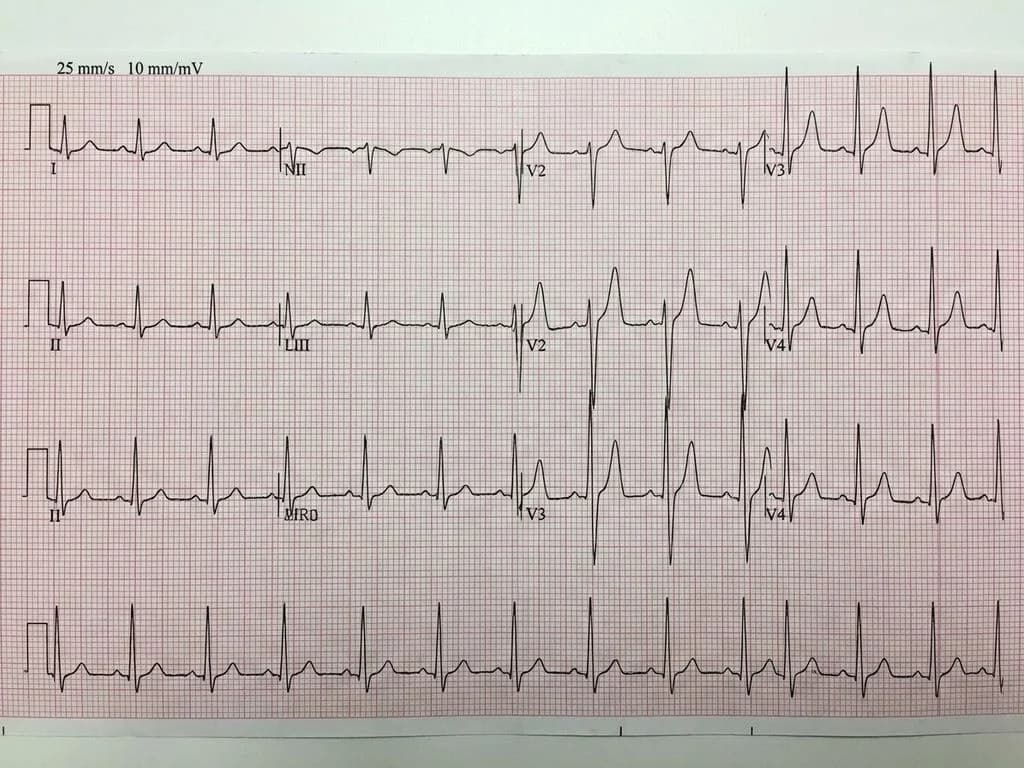
Hyperkalemia in diabetic nephropathy is a life-threatening emergency presenting with tall T-waves on ECG and palpitations. The mechanism of potassium shift into cells depends on β₂-adrenergic receptor activation, which increases Na⁺-K⁺-ATPase activity in skeletal muscle and other tissues. Epinephrine, a non-selective adrenergic agonist with potent β₂-activity, directly stimulates this pump, driving potassium intracellularly and rapidly lowering serum K⁺. This is the most rapid pharmacological intervention (within minutes) for acute symptomatic hyperkalemia in Indian clinical practice. The mechanism is independent of renal function, making it ideal for patients with diabetic nephropathy who have compromised K⁺ excretion. Epinephrine is a first-line agent in hyperkalemia management alongside calcium gluconate (for cardiac membrane stabilization) and insulin-glucose (which also shifts K⁺ intracellularly via β₂-mediated ATPase activation). The dose is typically 0.5–1 mg IV or 0.3–0.5 mg IM in acute settings.
Why the other options are wrong
A. Atropine — Atropine is an anticholinergic agent that blocks muscarinic receptors and has no effect on β₂-adrenergic signaling or Na⁺-K⁺-ATPase activity. It does not shift potassium into cells and is not used in hyperkalemia management. NBE may include this to test whether students confuse anticholinergics with sympathomimetics. B. Lactic acid — Lactic acid is an acidifying agent that lowers blood pH, which theoretically shifts K⁺ extracellularly (opposite of desired effect) by competing with K⁺ for cellular uptake. It worsens hyperkalemia and is contraindicated. This is a trap for students who confuse acidosis management with hyperkalemia treatment. D. Glucagon — Glucagon activates adenylyl cyclase via G-protein coupling but does not directly activate β₂-adrenergic receptors. While it may have minor effects on cellular metabolism, it is not a reliable or rapid agent for shifting potassium intracellularly compared to direct β₂-agonists. It is not a standard hyperkalemia treatment in Indian guidelines.
High-Yield Facts
- Epinephrine (β₂-agonist) is the fastest pharmacological agent to shift K⁺ intracellularly via Na⁺-K⁺-ATPase activation (onset: 5–10 minutes).
- Tall T-waves on ECG in hyperkalemia are a sign of cardiac membrane irritability and indicate need for urgent intervention.
- Diabetic nephropathy causes K⁺ retention due to aldosterone resistance and reduced GFR, making renal excretion-independent drugs (epinephrine, insulin-glucose) essential.
- β₂-adrenergic activation increases Na⁺-K⁺-ATPase activity in skeletal muscle, liver, and adipose tissue—the primary mechanism of K⁺ shift.
- Calcium gluconate (not a K⁺-shifting agent) is given first in symptomatic hyperkalemia to stabilize cardiac membrane, followed by epinephrine or insulin-glucose.
Mnemonics
SHIFT K⁺ IN (Hyperkalemia Management) Saline + Hyperventilation (respiratory alkalosis) | Insulin-glucose | Furosemide | Transfer (dialysis) | Kalium-binders (patiromer) | Inotropes (epinephrine/dobutamine) | NaHCO₃ (alkalinizing). Use this to remember all modalities; epinephrine is under 'I' for Inotropes. β₂ = K⁺ IN (Memory Hook) β₂-agonists (epinephrine, salbutamol) activate Na⁺-K⁺-ATPase → K⁺ shifts IN. Recall: 'Beta-2 drives K into the cell.' Use when choosing between sympathomimetics and other agents.
NBE Trap
NBE pairs hyperkalemia with anticholinergics (atropine) to trap students who confuse autonomic pharmacology. Atropine blocks parasympathetic tone but does NOT activate sympathetic β₂-receptors needed for K⁺ shift. The trap exploits confusion between "blocking parasympathetic" and "activating sympathetic."
Clinical Pearl
In Indian emergency departments, when a diabetic nephropathy patient presents with palpitations and tall T-waves, the immediate sequence is: IV calcium gluconate (cardiac protection) → IV epinephrine 0.5 mg (K⁺ shift) → IV insulin 10 units + 25 g dextrose (sustained shift) → arrange dialysis if refractory. Epinephrine works within minutes, making it the bridge therapy while slower agents take effect.
_Reference: KD Tripathi Pharmacology Ch. 12 (Adrenergic Agonists); Harrison Ch. 280 (Hyperkalemia Management); Robbins Ch. 21 (Diabetic Nephropathy)_